


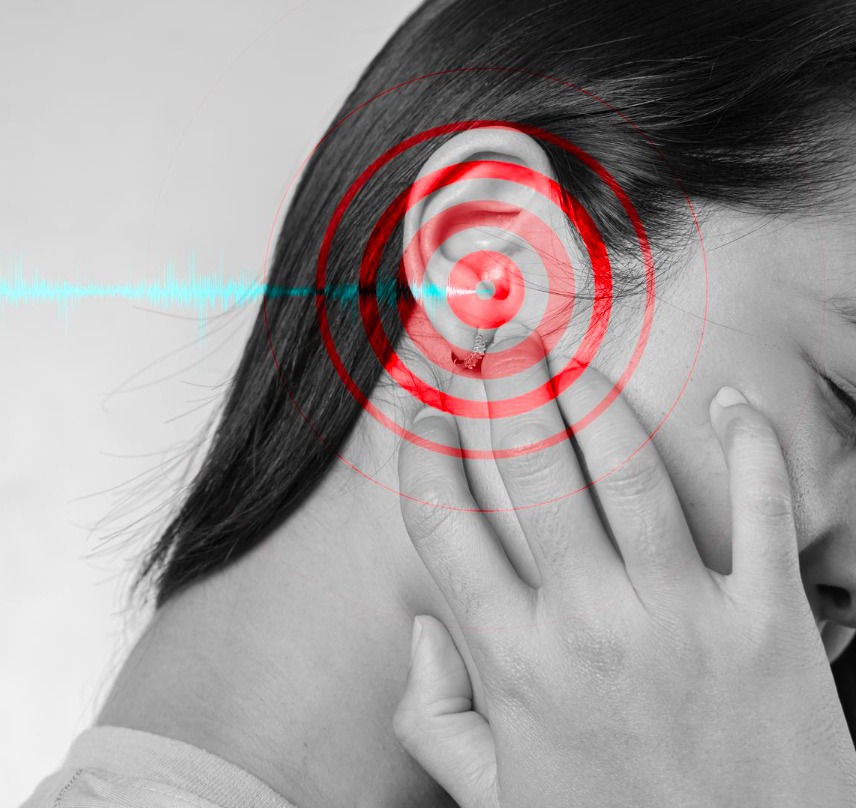
Hearing a ringing, buzzing, humming, whistling, or clicking sound when no external sound is present can be frustrating and sometimes worrying. This condition, known as tinnitus, affects people of different age groups and may occur occasionally or persist for long periods. While tinnitus itself is not a disease, it is often a symptom of an underlying condition that deserves medical attention. Understanding the possible causes and available options for Tinnitus Treatment can help individuals take the right steps toward diagnosis and management.
Tinnitus may affect one ear or both ears and can vary in intensity. Some people notice it only in quiet surroundings, while others experience sounds that interfere with sleep, concentration, or daily conversations. The experience differs from person to person, making proper evaluation essential.
Common descriptions of tinnitus include:
- Ringing
- Buzzing
- Hissing
- Whistling
- Roaring
- Clicking
- Pulsating sounds
These sounds are usually heard only by the affected individual, although in rare cases a healthcare professional may identify an underlying physical cause.
Several factors can contribute to tinnitus. Age-related hearing changes are among the most common causes, but exposure to loud noise, ear infections, excessive earwax, certain medications, head injuries, and disorders affecting the inner ear may also play a role. In some cases, tinnitus develops alongside hearing loss, while in others hearing remains relatively normal.
People who work in noisy environments, attend loud events frequently, or use headphones at high volume for extended periods may have a higher risk of developing hearing-related problems, including tinnitus. Protecting hearing from excessive noise remains one of the most effective preventive measures.
Many people wonder whether tinnitus always indicates permanent hearing damage. The answer is no. Some causes are temporary and improve once the underlying problem is treated. For example, earwax blockage or middle ear infections may lead to temporary tinnitus that resolves after appropriate medical care.
An ENT evaluation typically begins with a detailed discussion of symptoms. The specialist may ask:
- When did the ringing begin?
- Is it present continuously or intermittently?
- Does it affect one ear or both?
- Is it associated with hearing loss or dizziness?
- Have there been recent infections or injuries?
- Is there a history of exposure to loud sounds?
A physical examination of the ears is usually followed by hearing tests. Depending on the findings, additional investigations may be recommended to identify the underlying cause.
Management focuses on addressing the condition responsible for tinnitus whenever possible. Depending on the diagnosis, treatment may involve:
- Managing ear infections
- Removing impacted earwax
- Treating hearing loss
- Reviewing medications where appropriate
- Lifestyle modifications
- Sound therapy in selected cases
- Counselling and coping strategies for persistent tinnitus
Certain lifestyle measures may also reduce the impact of tinnitus on daily life:
- Protect your ears from loud noise.
- Maintain healthy sleep habits.
- Reduce excessive caffeine if it appears to worsen symptoms.
- Manage stress through relaxation techniques.
- Follow medical advice regarding hearing protection.
Persistent tinnitus can affect emotional well-being, especially when it interferes with sleep or concentration. Seeking medical advice early allows patients to understand the cause rather than relying on assumptions or self-treatment.
People in Pune who experience tinnitus along with sudden hearing loss, severe dizziness, or persistent ear pain should seek prompt medical evaluation, as these symptoms may require urgent attention.
For individuals looking for Tinnitus Treatment in Pune, Dr. Phadke's ENT and Rhinoplasty Clinic offers comprehensive assessment of ear-related conditions, hearing concerns, and tinnitus. Additional educational information on ENT services and patient care is available through draniruddhaphadke.com to help individuals better understand their symptoms and treatment options.