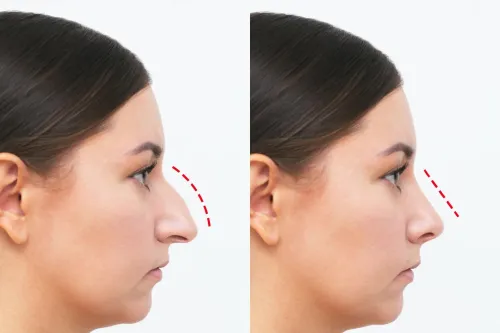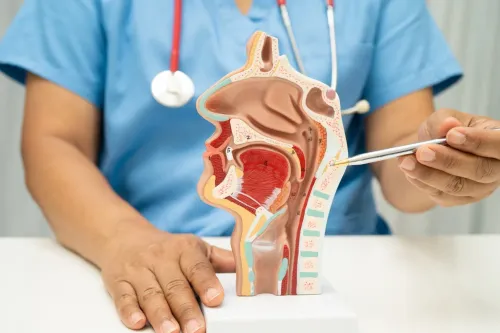

A blocked nose can come from a short-lived cold, allergic swelling, a structural narrowing or a condition that needs prompt assessment. By tracking the pattern of your symptoms and recognising warning signs, you can decide when home care is reasonable, when to book an evaluation and what an ENT assessment may involve.
Key takeaways
- Seek emergency help for severe breathing difficulty, faintness, or rapidly worsening symptoms.
- Note whether congestion is one-sided, seasonal, constant, painful, or linked to reduced smell.
- Expect a specialist to examine your nose before discussing medicines or surgery.
- Try saline rinses and appropriate treatments before considering nasal surgery.
When a blocked nose needs urgent medical attention
A blocked nose emergency is defined by loss of breathing, oxygen, or consciousness—not by congestion alone. Call emergency services for sudden severe breathing difficulty, especially if you cannot speak in full sentences, feel faint, or symptoms worsen quickly.
Seek urgent help for:
- Blue lips, grey skin, confusion, collapse, or severe drowsiness
- Facial swelling with trouble breathing, swallowing, or speaking, particularly after food, medicine, or an insect sting
- Heavy nosebleeding that does not stop after 15–20 minutes of firm pressure while leaning forward
- An object stuck in the nose, especially in a child; do not push it deeper or probe with tweezers
- Sudden hearing loss in one or both ears, with tinnitus or dizziness; do not dismiss it as congestion
| Symptom | Appropriate response | Why it matters |
|---|---|---|
| Severe breathlessness, blue lips, confusion, or rapidly worsening facial swelling | Emergency care now | Airway obstruction or a serious allergic or respiratory reaction can progress quickly |
| Uncontrolled bleeding, a suspected inhaled or retained object, or sudden hearing loss | Same-day urgent assessment | Delay can increase bleeding, airway, or hearing-related harm |
| One-sided blockage with blood-stained discharge, foul discharge, facial pain or numbness, a visible mass, or visual symptoms | Prompt ENT evaluation | A structural problem, retained foreign body, or mass needs examination rather than prolonged self-treatment |
What your symptom pattern can reveal about the cause
A viral cold usually improves within 7 to 10 days as mucus, swelling and throat symptoms settle. Book an evaluation for persistent nasal congestion that lasts beyond this period, keeps returning, or interferes with sleep, exercise or daily breathing; allergies, enlarged turbinates, a deviated septum, polyps or another cause may be maintaining it.
- Both-sided blockage with sneezing, itchy eyes and clear discharge points more toward allergic rhinitis than a fixed structural narrowing.
- Alternating nasal blockage is common because the normal nasal cycle shifts swelling between sides. It becomes more relevant when the pattern is severe, persistent or paired with mouth breathing.
- A one-sided blocked nose that stays on the same side deserves assessment, particularly with recurrent nosebleeds, blood-stained or foul discharge, facial pain, numbness, a visible mass or visual symptoms.
- Reduced sense of smell with prolonged congestion can occur with inflammation, polyps or chronic sinus disease, especially when smell does not return after the infection clears.
Facial pressure, fever and thick discharge that persist or worsen after initial improvement support an evaluation for sinus inflammation rather than simple cold congestion. Symptoms that worsen at night, loud snoring, witnessed breathing pauses, gasping or daytime sleepiness point toward sleep-related breathing problems, not just a blocked nose.
Ear fullness can accompany a cold or allergy flare, but sudden hearing loss with tinnitus or dizziness needs urgent assessment.
What a specialist checks before recommending treatment
An ENT evaluation for blocked nose starts with your symptom pattern, not a scan. The clinician asks whether blockage is one-sided or alternating, whether smell is reduced, and whether discharge, facial pressure, snoring, exercise symptoms or night-time worsening occur. They also review medicines, including decongestant sprays.
- The clinician inspects the nostrils and checks the septum, turbinates, nasal valve region and visible swelling.
- They assess airflow and look for clues to valve narrowing, which can worsen during inspiration and improve with gentle cheek support. This response is a clue, not a diagnosis.
- A nasal endoscopy uses a thin camera to examine deeper areas, including the posterior nasal cavity, polyps, bleeding points and inflammation that a quick nostril examination misses.
- They decide whether symptoms fit allergy, a deviated septum, turbinate enlargement, medication-overuse congestion or sinus disease before recommending treatment.
Allergy testing is useful when the trigger remains uncertain, symptoms continue despite treatment, or allergen avoidance or immunotherapy is being considered. A positive skin or blood result does not prove that allergen causes your nasal symptoms.
A CT scan for sinusitis is not an automatic test for every blocked nose. It becomes useful when chronic sinusitis, complex anatomy, complications or a mass is suspected, especially after at least 12 weeks of compatible symptoms. Objective inflammation on endoscopy or CT is needed; congestion alone is not enough.
What you can try before considering nasal surgery
Start with measures that target swelling before considering surgery. Saline nasal irrigation can clear mucus and allergens; use sterile, distilled or previously boiled and cooled water. An intranasal corticosteroid spray reduces inflammation from allergic or non-allergic rhinitis, but it works best with regular use and correct direction away from the septum.
| Option | What it addresses | What to know |
|---|---|---|
| Saline nasal irrigation | Mucus, allergens and irritants | Use safe water and a clean device |
| Intranasal corticosteroid spray | Inflamed nasal lining and turbinate swelling | Improvement is gradual, not immediate |
| Oxymetazoline spray | Short-term severe congestion | Limit to three consecutive days |
| Allergen avoidance | Triggered rhinitis | Reduce exposure to the identified trigger |
A deviated septum, enlarged turbinates, nasal-valve narrowing or polyps can keep nasal breathing poor after inflammation is controlled. Septoplasty corrects an important septal obstruction; it does not cure allergic rhinitis, so swelling may still need treatment. Specialist assessment helps separate these causes before choosing an operation.
Stop treating a blocked nose by increasing oxymetazoline: prolonged use can cause rebound congestion. Repeated reliance on it needs medical advice. Loud snoring, witnessed pauses, gasping during sleep or daytime sleepiness also require assessment for obstructive sleep apnea; improving nasal airflow does not replace sleep-apnea testing or treatment.
How to prepare for an appointment and decide where to seek care
Bring a symptom timeline to your blocked nose specialist appointment, not just a description of how you feel today. Note whether obstruction is one-sided or alternating, what worsens it, and how it affects exercise, sleep, smell and daily breathing.
- Record when symptoms began, how often they return, and whether you have facial pressure, fever, discharge or reduced smell.
- List every nasal spray, antihistamine, decongestant, antibiotic and home treatment, including how long you used each one.
- Note snoring and mouth breathing, witnessed pauses, gasping during sleep and daytime sleepiness; these details support separate sleep-apnea assessment.
- Bring previous prescriptions, allergy reports, endoscopy or CT images, and a medication list. Write your main question, such as whether narrowing is inflammatory, structural or both.
Choose an ENT clinic that links this history to a nasal obstruction assessment rather than ordering the same test for everyone. The clinician can inspect the septum, turbinates, nasal valve and deeper nasal cavity, using endoscopy when a quick external look is insufficient.
Allergy testing helps when triggers remain unclear; CT is reserved for suspected sinus disease, complex anatomy, complications or a mass. Dr.Phadke’s ENT & Rhinoplasty Clinic-08048038595 can help distinguish septoplasty from treatment for a nasal valve problem, including functional rhinoplasty and nasal valve procedures, when appearance and airflow concerns overlap.
Related services
Best Septoplasty Surgeon in Bavdhan, Kothrud,Pune and PCMC Best Septoplasty Surgeon in Pune and PCMC – Dr Aniruddha Phadke,Advanced Nose Septum Deviation Treatment at Dr Phadke’s ENT & Rhinoplasty Clinic If... View service → |
Best Endoscopic Sinus Surgery Specialist in Bavdhan, Kothrud, Pune, PCMC If you are suffering from chronic sinusitis, nasal blockage, facial pain, or recurrent sinus infections, consult Dr Aniruddha Phadke, one of the best... View service → |
Frequently asked questions
When does a blocked nose need urgent medical attention?
Call emergency services for sudden severe breathing difficulty, inability to speak in full sentences, faintness, loss of consciousness, or rapidly worsening symptoms.
What can a symptom pattern reveal about the cause of nasal blockage?
One-sided, seasonal, constant, painful, or smell-related symptoms point the evaluation toward different causes, including allergy, infection, structural blockage, or a growth.
What does a specialist check before recommending treatment?
A specialist reviews your symptom history and examines the nasal passages, septum, turbinates, airflow, and related ear, throat, and sinus findings before recommending treatment.
What can you try before considering nasal surgery?
Depending on the cause, you can discuss saline rinses, allergy control, prescribed nasal medicines, and other non-surgical options before considering surgery.
Related service
Best Tonsil and Adenoid Surgeon in Bavdhan, Kothrud, Pune, PCMC If you or your child is suffering from recurrent tonsillitis, enlarged adenoids, breathing difficulties, snoring, or frequent throat infections,... View service → |