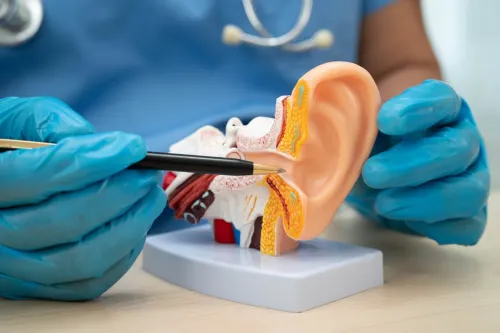

Ear pain, nasal obstruction, recurrent sinus symptoms, persistent hoarseness, vertigo, and throat problems can appear unrelated, yet they fall within the same medical specialty. Choosing an ENT Specialist becomes particularly important when symptoms persist, recur, affect everyday functioning, or may require a procedure.
An ENT doctor, also known as an otolaryngologist, evaluates disorders affecting the ears, nose, throat, and related head and neck structures.
When Should You Consider an ENT Consultation
A specialist assessment may be appropriate for:
- Persistent nasal blockage
- Recurrent sinus symptoms
- Hearing loss
- Tinnitus
- Ear discharge
- Repeated throat infections
- Persistent hoarseness
- Vertigo
- Swallowing difficulties
- Snoring with suspected breathing problems
- Selected neck or thyroid-related concerns
- Nasal deformity or breathing difficulty
The appropriate urgency depends on the symptoms.
Look for Diagnosis Before Treatment
A good consultation should not begin with the assumption that a procedure is necessary.
For example, nasal obstruction could be associated with allergy, a deviated septum, turbinate enlargement, sinus disease, nasal polyps, or other conditions. Each may require a different treatment strategy.
Similarly, hearing loss needs to be classified before treatment or hearing rehabilitation can be selected.
Patients in Pune should therefore look for an ENT practice that provides structured clinical assessment and recommends investigations based on the individual problem.
Understand the Procedure Being Recommended
If surgery is suggested, ask why it is necessary and what alternatives are available.
Useful questions include:
- What is the exact diagnosis?
- What happens if I choose observation initially?
- Are non-surgical options suitable?
- What will the procedure involve?
- What recovery time should I expect?
- What are the important risks?
- What symptoms after surgery require urgent attention?
A clear discussion helps patients make informed decisions.
Preparing for ENT Surgery
Preparation varies according to the operation.
Patients should provide a complete medication list, relevant medical history, allergies, previous surgeries, and information about bleeding problems.
Instructions regarding fasting and medication should be followed carefully. Prescribed medicines should never be stopped without appropriate advice.
Arrangements for transportation and recovery at home may also be needed depending on the procedure and anaesthesia.
Recovery and Post-Treatment Care
Some minor ENT procedures have relatively short recovery periods, while nasal, sinus, ear, throat, or head and neck operations may require more time.
Follow-up care can be as important as the procedure itself.
Patients may receive instructions about wound care, nasal care, diet, activity, water exposure, voice use, or medication depending on the surgery.
Benefits and Risks Should Be Balanced
The expected benefit should relate directly to the diagnosed problem, whether the objective is better breathing, reduced infection, improved hearing function, removal of abnormal tissue, or another clinical outcome.
Every operation also carries risks. These vary widely according to the procedure and can include bleeding, infection, anaesthesia-related complications, persistent symptoms, scarring, or procedure-specific complications.
Dr. Phadke’s ENT and Rhinoplasty Clinic provides ENT evaluation in Pune for a range of ear, nose, throat, sinus, voice, and related conditions.
Frequently Asked Questions
Do I need a specialist for every ENT symptom
No. Many minor illnesses resolve with routine care. Persistent, recurrent, unusual, or severe symptoms are more likely to need specialist assessment.
Does an ENT consultation always lead to surgery
No. Many ENT conditions are managed medically or conservatively.
What should I bring to my first appointment
Bring previous reports, scans, hearing tests, prescriptions, a medication list, and relevant medical records when available.
The right ENT care pathway begins with diagnosis. Once the cause is understood, patients can make better-informed decisions about observation, medication, rehabilitation, or surgery.
Keywords