Hearing loss does not always occur suddenly. For many people, the first signs are subtle. Television volume gradually increases, conversations in noisy places become difficult, or family members seem to speak less clearly. Consulting a Hearing Loss Specialist can help determine what type of hearing problem is present and what can be done about it.
Hearing loss may affect one ear or both ears and can occur at any age. Early assessment is particularly important when the change is sudden.
Different Types of Hearing Loss
Hearing loss is broadly classified according to where the problem occurs.
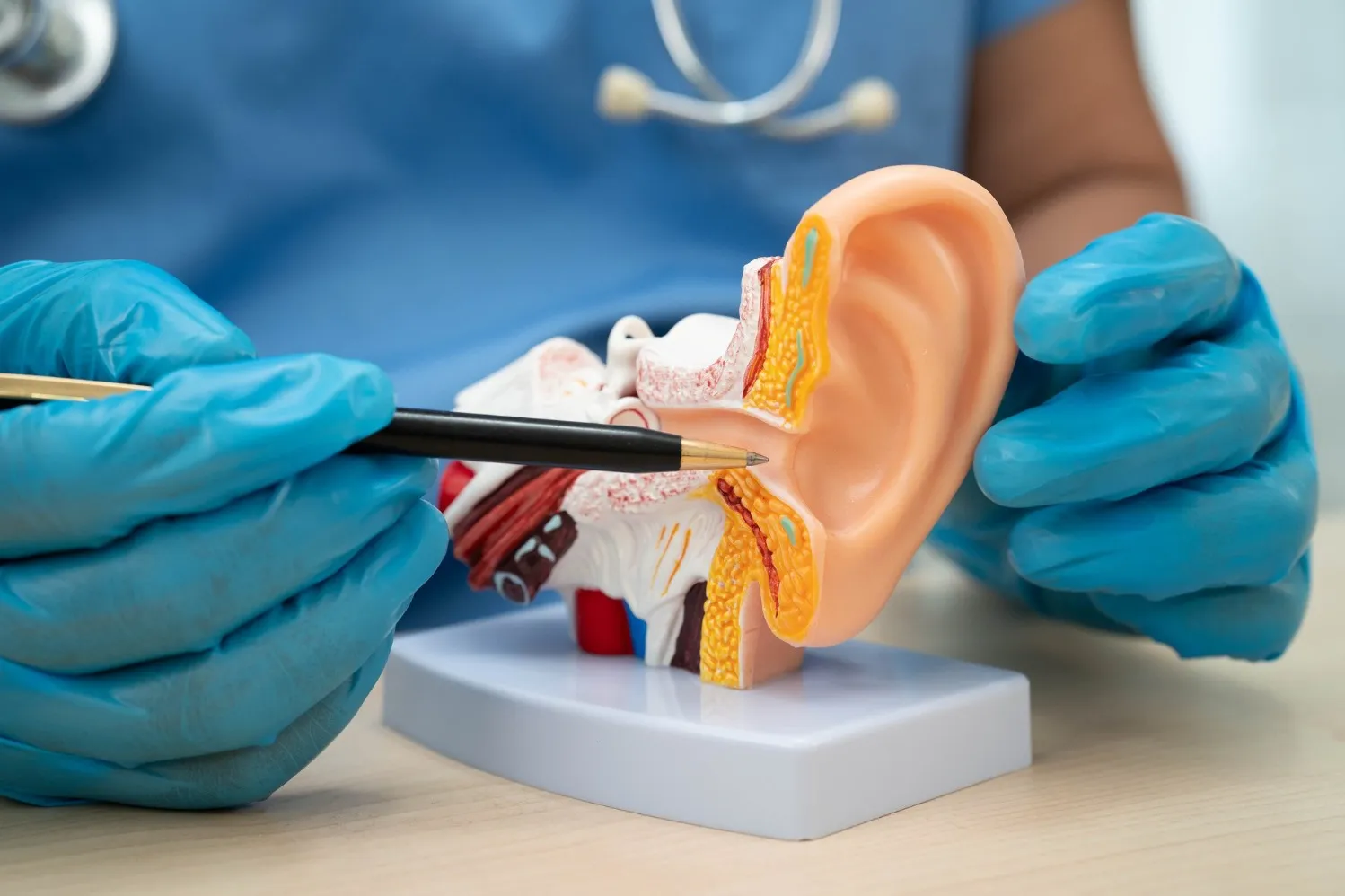
Conductive hearing loss involves difficulty transmitting sound through the outer or middle ear. Possible causes include earwax blockage, eardrum problems, middle-ear fluid, or abnormalities affecting sound conduction.
Sensorineural hearing loss involves the inner ear or hearing nerve.
Some patients have a combination known as mixed hearing loss.
Identifying the type helps guide treatment.
What Happens During a Hearing Assessment
An ENT specialist may begin by examining the ear canal and eardrum.
The history is equally important. Patients should mention:
- When the hearing change began
- Whether one or both ears are affected
- Ear pain or discharge
- Tinnitus
- Vertigo
- Noise exposure
- Previous ear surgery
- Medicines being taken
- Family history of hearing problems
Hearing tests may then measure the degree and pattern of hearing loss. Additional investigations are considered when clinically necessary.
Treatment Depends on the Diagnosis
A blockage caused by impacted earwax requires a very different approach from inner-ear hearing loss.
Treatment may involve medication, treatment of middle-ear disease, selected surgical procedures, hearing rehabilitation, hearing aids, or other specialised options depending on the diagnosis.
There is no universal device or procedure suitable for every person with reduced hearing.
Recovery and Expected Benefits
Recovery depends on the cause.
Some conductive problems may improve when the underlying condition is successfully treated. Permanent sensorineural hearing loss may require rehabilitation rather than a treatment that restores natural hearing completely.
Appropriate hearing support can improve communication, participation in conversations, and awareness of environmental sounds.
Risks and Care Considerations
Procedural risks vary significantly according to the treatment. If surgery is recommended, patients should ask about expected hearing improvement, recovery time, restrictions, and possible complications.
People using hearing devices should follow instructions for fitting, maintenance, and follow-up adjustment.
Avoid inserting cotton buds, pins, or other objects deeply into the ear canal in an attempt to clean it.
Patients across Pune and Maharashtra can seek evaluation at Dr. Phadke’s ENT and Rhinoplasty Clinic when hearing changes appear to have an ENT-related cause.
Frequently Asked Questions
Can earwax cause hearing loss
Yes. Impacted wax can reduce hearing, although reduced hearing should not automatically be assumed to be caused by wax.
Is all hearing loss permanent
No. Some forms are reversible or treatable, while others may be permanent and require rehabilitation.
Is sudden hearing loss urgent
A sudden unexplained reduction in hearing, particularly in one ear, should be assessed promptly because certain forms of sudden hearing loss are time-sensitive.
Hearing difficulties are easier to manage when their nature and severity are understood. A proper assessment provides the information needed to choose treatment or rehabilitation based on the actual cause rather than assumptions.
Keywords