Rhinoplasty is highly individualised because the nose influences both facial appearance and breathing. Choosing a Rhinoplasty Specialist should therefore involve evaluating the surgeon's approach to nasal anatomy, function, realistic expectations, surgical planning, and long-term follow-up.
Patients considering rhinoplasty in Pune may seek surgery for cosmetic concerns, previous nasal injury, structural asymmetry, breathing difficulties, or a combination of these factors.
Cosmetic Goals Need Functional Assessment
A nose that looks balanced from the outside may still contain internal structural problems.
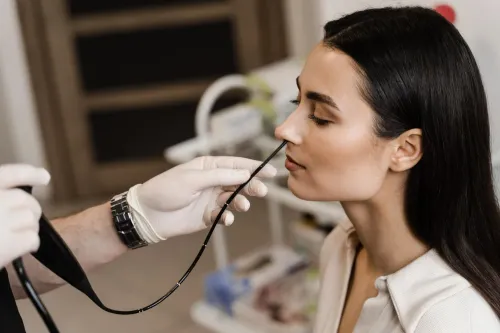
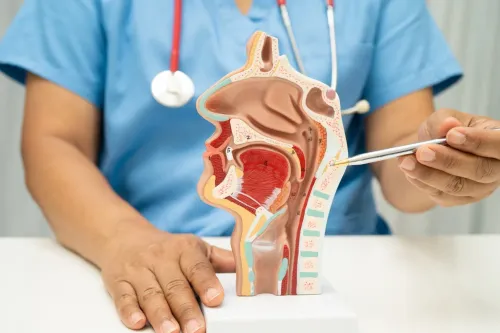
Before surgery, the specialist may evaluate nasal airflow, the septum, turbinates, nasal valves, tip support, cartilage, bone, skin thickness, and facial proportions as relevant to the patient.
This helps determine whether the proposed changes could affect breathing and whether functional correction should form part of the treatment plan.
What Happens During Planning
The consultation is an opportunity to explain what specifically concerns you.
Instead of requesting somebody else's nose shape, it is more useful to describe features you would like assessed. The surgeon can then explain what may be achievable within the limitations of your anatomy.
Clinical photographs may be taken for planning and documentation. The surgical approach is selected according to the changes required.
Preparing for Rhinoplasty
Patients should discuss their complete medical history, previous nasal trauma, earlier surgery, medications, supplements, allergies, smoking, and breathing symptoms.
Pre-operative investigations may be advised according to the individual's health and planned procedure.
Instructions regarding fasting and medication must be followed. Patients should also arrange enough recovery time rather than scheduling surgery immediately before an important event.
Understanding the Recovery Timeline
The early phase commonly includes swelling, congestion, tenderness, and bruising. A splint may be placed temporarily.
Many people return gradually to normal daily activities after the initial healing period, according to their surgeon's instructions. Contact sports and activities where the nose could be injured generally require longer restrictions.
Visible swelling reduces progressively, but subtle swelling can remain for months. Nasal tip refinement may take particularly long to settle.
What Benefits Can Rhinoplasty Provide
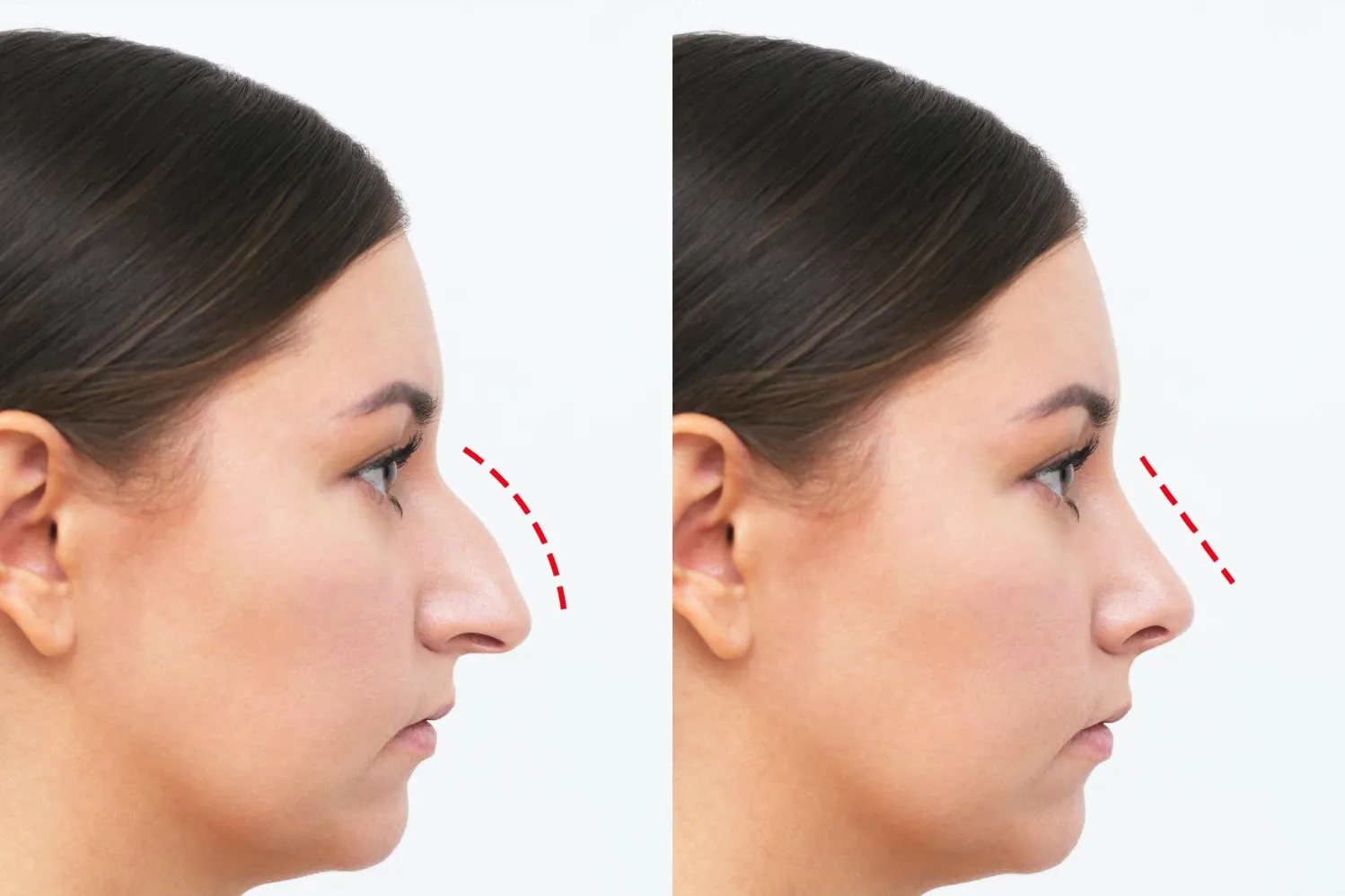
Depending on the treatment plan, potential benefits can include:
- Better facial balance
- Correction of selected nasal shape concerns
- Improved symmetry
- Repair of certain post-traumatic changes
- Improved nasal airflow when functional problems are appropriately corrected
The aim should be improvement rather than perfection.
Know the Risks Before Deciding
Possible risks include bleeding, infection, scarring, asymmetry, persistent swelling, numbness, breathing changes, dissatisfaction with appearance, and the possibility of revision surgery.
Individual risks differ according to anatomy and the procedure performed.
Post-Surgery Care Matters
Patients should protect the nose from impact, avoid manipulating the surgical area, take prescribed medicines correctly, and attend follow-up appointments.
Sleeping with the head elevated may be recommended during early recovery. Instructions about glasses, exercise, nose blowing, bathing, and nasal care should be followed according to the surgeon's advice.
Dr. Phadke’s ENT and Rhinoplasty Clinic in Pune assesses cosmetic objectives alongside nasal function when planning rhinoplasty.
Frequently Asked Questions
Can I choose an exact nose shape
Rhinoplasty is limited by existing anatomy, tissue characteristics, healing, and facial proportions. An exact copied result cannot be guaranteed.
Is revision surgery sometimes necessary
Yes. A minority of patients may eventually consider revision for functional or aesthetic reasons.
How soon can I judge the result
Early changes are visible after initial swelling subsides, but final results require patience because nasal tissues continue changing during healing.
Selecting a specialist should ultimately depend on careful evaluation, realistic communication, safety, and a treatment plan that considers how the nose works as well as how it looks.
Keywords