A sound that no one else can hear is often tinnitus, but the pattern matters: brief noise after loud sound is different from a symptom that returns, persists, beats with your pulse, or affects one ear. You will learn how to describe the sound, recognise urgent warning signs, understand the tests used to find a cause, and choose sensible next steps without relying on unproven cures.
Key takeaways
- Tinnitus is sound perception without an external acoustic source.
- Sudden hearing loss, severe vertigo, or one-sided symptoms need prompt medical assessment.
- Protect your ears from loud noise and avoid inserting cotton swabs.
- An evaluation checks hearing, ear health, medications, and related medical conditions.
How can you tell tinnitus from temporary ear noise?
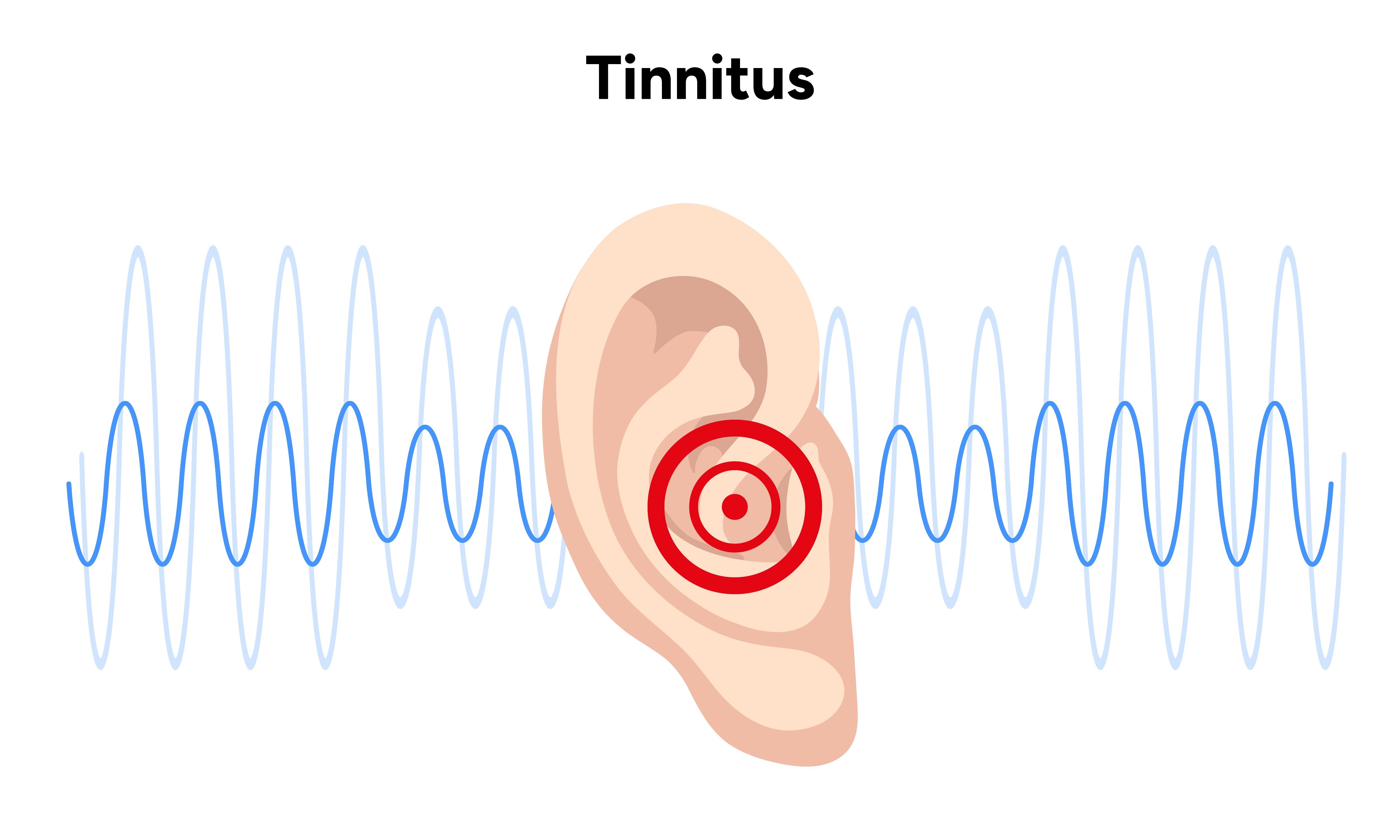
Tinnitus definition: the perception of sound when no external acoustic source is producing it. It is a symptom, not one disease. The sound may occur in one ear, both ears, or seemingly inside your head, and can resemble ringing, buzzing, hissing, clicking, whooshing, or roaring.
Most cases are subjective tinnitus, meaning only you can hear the sound. Objective tinnitus is uncommon: a clinician may hear it with a stethoscope or detect a physical signal, often from muscle contractions or abnormal blood flow. Report any sound that pulses in time with your heartbeat rather than treating it as ordinary ringing.
Ringing in the ear after loud noise is often temporary, but these clues help separate it from tinnitus that needs assessment:
- Duration: Noise-related symptoms that fade within hours or a day or two are more consistent with temporary overstimulation. Tinnitus that persists beyond a few days, keeps returning, or steadily worsens warrants a hearing assessment.
- Sound pattern: A continuous ring, buzz, hiss, or click differs from a rhythmic whoosh or pulse-synchronous beat, which needs medical evaluation.
- Location: Noise in both ears after a loud event may settle as your hearing recovers. New one-sided tinnitus deserves assessment, especially with muffled hearing, dizziness, or ear fullness.
Do not diagnose the cause from the sound alone or rely on a phone hearing test. An audiogram can identify hearing loss and show whether an ENT evaluation is needed.
What conditions and exposures can cause ringing or buzzing?
Tinnitus causes range from a blocked ear canal to changes in the inner ear, middle ear, jaw, muscles, nerves, or blood vessels. Hearing loss and tinnitus often occur together after repeated loud-noise exposure or with age-related inner-ear changes, but ringing does not automatically mean permanent hearing loss.
- Impacted earwax can block sound and create ringing, buzzing, or a muffled sensation. Removing the blockage safely may reduce the noise.
- An ear infection or middle-ear problem, including fluid behind the eardrum, can cause pressure, reduced hearing, and tinnitus.
- Medication side effects can affect hearing or the inner ear. If you suspect ear infection tinnitus medication side effects, give your clinician a complete list of prescription drugs, over-the-counter products, and supplements rather than stopping treatment yourself.
- Temporomandibular-joint dysfunction, teeth grinding, or jaw clenching can produce tinnitus that changes when you open your mouth or move your neck.
- A head or neck injury can disturb hearing pathways or trigger tinnitus.
- Ménière’s disease can combine tinnitus with fluctuating hearing loss, ear fullness, and episodes of vertigo.
- Small muscle contractions in the middle ear or around the palate can create rhythmic clicking or buzzing.
- Narrowed or abnormal blood vessels near the ear can produce whooshing or pulsing that follows the heartbeat.
Noise exposure can cause temporary ringing after a concert or machinery use, while persistent symptoms need assessment to find a reversible contributor or associated hearing change.
Which tinnitus symptoms need urgent care, and when should you book an appointment?
Seek urgent medical assessment if tinnitus appears with sudden hearing loss and tinnitus, especially when hearing drops within 72 hours. A blocked or full ear can signal sudden sensorineural hearing loss, not just wax, and treatment works best after prompt evaluation.
Treat these tinnitus red flags as reasons to seek same-day care:
- Severe vertigo, facial weakness, new weakness, numbness, trouble speaking, confusion, or another new neurological symptom
- Tinnitus after a significant head injury
- Ear discharge or severe ear pain, particularly with fever or worsening hearing
- Pulsatile tinnitus that beats in time with your heartbeat
Pulsatile tinnitus should not be treated as ordinary ringing because it can reflect a blood-vessel or other physical problem. Tell the clinician clearly that the sound is pulse-synchronous; that detail affects the examination and whether imaging is needed.
Book an ENT or hearing assessment when symptoms last more than a few days after loud noise, illness, or another trigger, or when tinnitus keeps returning. Arrange an appointment for unilateral tinnitus, hearing that differs between ears, or any new hearing change, even without pain.
| Situation | What to do | Why it matters |
|---|---|---|
| Sudden hearing loss with tinnitus | Seek urgent assessment within 72 hours | Early treatment is time-sensitive |
| Pulsatile tinnitus | Arrange prompt medical evaluation | A vascular or structural cause needs consideration |
| Persistent, recurrent, unilateral, or hearing-related tinnitus | Book an ENT and hearing assessment | Testing can identify hearing loss or a treatable ear problem |
What happens during a tinnitus evaluation?
A tinnitus diagnosis starts with an ENT examination of the ear canal and eardrum. The clinician looks for earwax, infection, fluid, perforation, or other findings that could explain the sound.
You will also discuss:
- Prescription and over-the-counter medicines, including recent dose changes.
- Noise exposure from headphones, machinery, concerts, or firearms.
- Hearing changes, blocked-ear sensations, and whether the sound affects one or both ears.
- Dizziness, imbalance, jaw pain, clenching, clicking, or difficulty opening your mouth.
- Sleep disruption, poor concentration, anxiety, or depression.
These questions show whether tinnitus is affecting more than your hearing. They also help separate an ear problem from jaw, balance, medication, or stress-related contributors.
A hearing test is usually central to the assessment. An audiogram for tinnitus measures hearing across different pitches and loudness levels, identifies hearing loss, and checks whether hearing differs between the ears; a phone hearing test cannot provide the same detail.
MRI for unilateral tinnitus or asymmetric hearing may be considered to examine the internal auditory canals and exclude an uncommon structural cause. It does not mean a tumour is the likely explanation.
Doppler ultrasound, CT, or other imaging is reserved for clues such as heartbeat-synchronous noise, suspected blood-vessel disease, bone abnormality, or another structural problem, rather than ordered routinely for every case.
Which tinnitus treatments and self-care steps are worth considering?
The useful tinnitus treatment depends on its cause and on how much distress it creates. Removing confirmed wax, treating an ear infection, or addressing jaw-joint dysfunction targets a contributor; symptom management helps when no reversible cause explains the sound.
| Option | What it does | When it applies |
|---|---|---|
| Appropriate wax removal | Clears impacted wax without injuring the canal | Only when examination confirms wax |
| Infection or jaw care | Treats inflammation, middle-ear disease, or jaw-joint strain | When examination identifies that problem |
| Hearing aids for tinnitus | Amplifies missing sounds and can make tinnitus less prominent | After an audiogram confirms hearing loss |
| Sound enrichment | Adds quiet background music, a fan, or a sound generator | When silence makes tinnitus intrusive |
| Cognitive behavioral therapy for tinnitus | Reduces distress, sleep disruption, and unhelpful attention to the sound | For persistent, bothersome tinnitus; it does not necessarily remove the sound |
Do not put cotton swabs, pins, or other objects into the ear. They can push wax deeper or damage the canal; avoid home irrigation if you have a perforated eardrum, ear tubes, or previous ear surgery.
Be cautious with supplements marketed as tinnitus cures. Evidence for tinnitus retraining and sound-therapy programmes remains limited or uncertain, while cognitive behavioral therapy has stronger support for tinnitus-related distress.
In Pune, Dr.Phadke’s ENT & Rhinoplasty Clinic-08048038595 can coordinate an ear examination with hearing assessment, helping distinguish wax or infection from hearing loss before you choose amplification or a sound-based approach.
Frequently asked questions
How can you tell tinnitus from temporary ear noise?
Tinnitus persists or recurs without an external sound and may affect one or both ears. Temporary noise after loud music often fades within minutes or hours; persistent, worsening, or disruptive symptoms need assessment.
What conditions and exposures can cause ringing or buzzing?
Common contributors include loud-noise exposure, earwax blockage, ear infections, age-related hearing loss, some medicines, jaw-joint problems, Ménière’s disease, and head or neck injuries.
Which tinnitus symptoms need urgent care?
Seek urgent medical care for tinnitus with sudden hearing loss, severe vertigo, facial weakness, neurological symptoms, a head injury, or a rhythmic sound matching your heartbeat.
What happens during a tinnitus evaluation?
A clinician reviews your symptoms, noise exposure, medicines, medical history, and hearing changes, then examines the ears and may arrange a hearing test or additional tests.
Which tinnitus treatments and self-care steps are worth considering?
Treatment targets the cause when one is found. Hearing aids, sound therapy, counselling, sleep support, hearing protection, and management of stress or jaw problems can reduce tinnitus impact.