A blocked nose does not always point to a deviated septum, and making the nose smaller does not automatically make it breathe better. You will learn how doctors identify the source of obstruction, match it to the right procedure, and set realistic goals for both facial appearance and airflow.
Key takeaways
- Nasal blockage can come from the septum, nasal valves, bones, or swollen lining tissue.
- Choose the procedure that addresses your specific obstruction and appearance goals.
- Protecting nasal support helps improve airflow without causing postoperative collapse.
- Plan for swelling and gradual healing before judging the final rhinoplasty result.
Find the Real Cause of Nasal Blockage
Nasal obstruction does not automatically mean a deviated septum. A crooked septum, narrowed nasal bones, or nasal valve dysfunction points to a structural problem; blockage that worsens with pollen, dust, colds, or lying down points more toward swollen lining tissue.
Use the pattern of your symptoms as a clue:
- Structural narrowing often stays on one side, follows an injury or long-standing asymmetry, and worsens when you inhale sharply. The nostril may visibly collapse during inspiration.
- Allergic rhinitis causes congestion, sneezing, itching, and clear discharge. Enlarged turbinates can then narrow both nasal passages.
- Chronic sinus inflammation or nasal polyps can cause reduced smell, facial pressure, thick drainage, and persistent blockage.
- Decongestant spray used beyond three days can trigger rebound congestion, creating the problem it was meant to relieve.
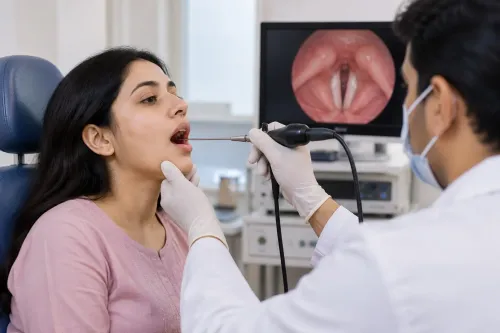
A clinician should examine your nose at rest and while you breathe in, inspect the septum and nasal valves, and use nasal endoscopy when deeper swelling, polyps, or sinus disease is suspected. Gently pulling the cheek outward—the Cottle maneuver—can suggest nasal valve narrowing, but it does not prove that valve surgery will help.
Record symptoms with the NOSE scale: five questions scored 0 to 4, multiplied by 5 for a 0–100 result. It measures perceived obstruction, not airflow itself, so pair it with examination findings. Persistent voice, hearing, or balance symptoms need separate evaluation.
Match the Problem to the Right Nasal Procedure
The right procedure depends on which structure blocks airflow and whether you also want to change the nose’s shape. A deviated septum, enlarged turbinates, nasal-valve collapse, and crooked nasal bones require different repairs.
| Option | What it means | When it applies |
|---|---|---|
| Septoplasty | Straightens the internal nasal septum without necessarily changing the outside of the nose. | A deviated septum is the main obstruction; it will not fix every nasal-valve problem or allergy-driven swelling. |
| Turbinate reduction | Carefully reduces enlarged inferior turbinates while preserving mucosa and supporting tissue. | Persistent turbinate enlargement remains after appropriate allergy treatment; excessive removal can impair humidification and airflow regulation. |
| Functional rhinoplasty | Reshapes or reinforces the nasal framework to widen a narrowed or collapsing internal or external nasal valve. Spreader or alar-batten grafts may provide support. | Breathing worsens during inspiration, or the nasal framework—not the septum alone—causes blockage. |
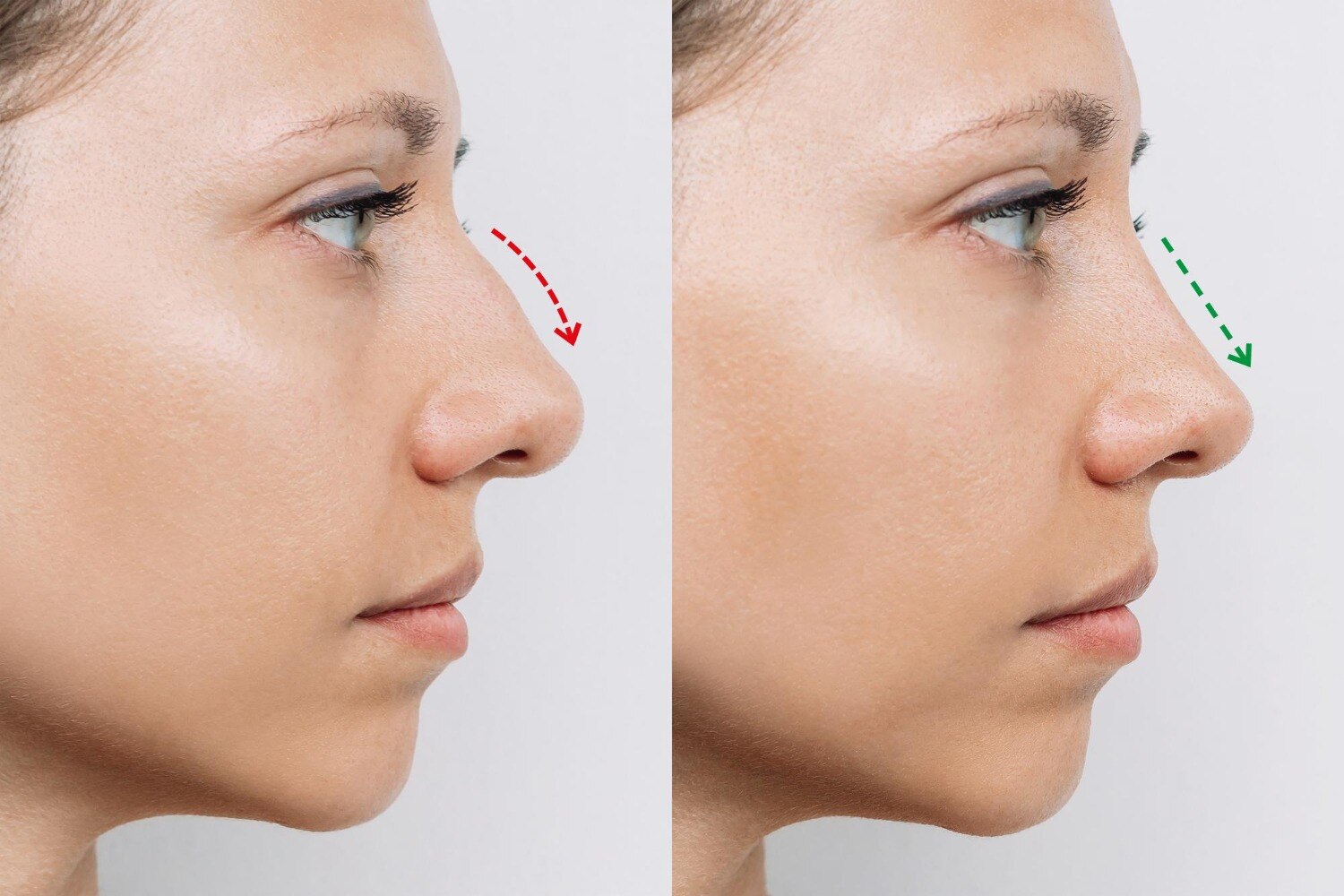
| Rhinoplasty | Changes the nose’s external appearance, such as its bridge, tip, width, or profile. | Cosmetic goals lead the plan; it does not cure allergic rhinitis. |
| Septorhinoplasty | Combines septoplasty with structural and, when requested, cosmetic rhinoplasty. | A deviated septum and external framework problem contribute together to obstruction or appearance concerns. |
Combined procedures are necessary when one repair cannot address every obstruction. For example, septoplasty plus turbinate reduction may treat septal deviation with persistent tissue enlargement, while septorhinoplasty may also need valve grafts. Confirm that polyps, sinus disease, medication overuse, or a primary speech disorder are not being mistaken for a structural blockage.
Improve Airflow Without Sacrificing Nasal Support
A nose can look slimmer yet breathe worse if the middle vault or external nasal valve loses support. The surgeon therefore plans cosmetic reduction around the airway’s narrowest region, checking the nose at rest and during inspiration; the Cottle maneuver offers a clue, not a stand-alone diagnosis.
Appearance and support can be balanced through targeted structural changes:
- Dorsal hump removal lowers a bridge prominence, but preserving adequate dorsal and middle-vault support prevents the airway from narrowing afterward.
- A spreader graft placed alongside the septum widens and stabilizes the internal nasal valve. It can subtly broaden the upper bridge, a trade-off worth discussing before surgery.
- An alar-batten graft reinforces a weak sidewall or external nasal valve and resists inward movement during inhalation. It can add contour or thickness to the nostril rim.
- Controlled turbinate reduction preserves the mucosal lining and underlying framework; removing too much tissue can impair humidification and airflow regulation.
The plan must match the cause. Septal cartilage often supplies graft material, but the surgeon must preserve enough septum for support. If swelling inside the nasal lining drives obstruction, structural reshaping alone will not solve it.
Ask which change is intended to improve breathing, which changes appearance, and how progress will be measured, including examination findings and the NOSE score.
Build a Surgical Plan Around Your Face and Breathing Goals
A sound plan connects your breathing complaint, examination findings, facial proportions, and desired appearance rather than treating photographs alone as a surgical blueprint.
Record your baseline with the NOSE scale: five obstruction questions scored 0 to 4, multiplied by 5 for a 0–100 result. It measures perceived blockage, not airflow directly. Compare it with examination during quiet breathing and deep inspiration.
| Evidence | What it contributes | What to clarify |
|---|---|---|
| Nasal endoscopy | Shows the septum, turbinates, polyps, inflammation, and deeper narrowing | Is the problem structural, mucosal, or both? |
| Cottle maneuver | Offers a clue that the nasal valve improves when supported | Where exactly does the valve narrow or collapse? |
| Measurements and photographs | Assesses bridge width, tip position, nostril shape, profile, symmetry, and facial proportions | Which changes improve balance without weakening support? |
| Medical history | Identifies allergy, sinus disease, sprays, trauma, and previous surgery | Has medical treatment addressed reversible blockage? |
Ask which structure limits breathing and whether septoplasty or turbinate treatment alone will solve it. Ask whether narrowing the bridge or tip could reduce airway support, and whether spreader or alar-batten grafts are needed.
Ask how success will be measured after swelling settles, which goals are functional versus cosmetic, and what documentation supports medical necessity. At Dr.Phadke’s ENT & Rhinoplasty Clinic-08048038595, bring prior treatment records and ask for the proposed procedure to be tied to each documented obstruction.
Related services
Best Rhinoplasty Surgeon in Bavdhan, Kothrud,Warje, Pashan, Pune Best Rhinoplasty Surgeon in Pune – Dr Phadke’s ENT & Rhinoplasty Clinic, Bavdhan If you are searching for the best rhinoplasty surgeon in Pune, Dr... View service → |
Best Septoplasty Surgeon in Bavdhan, Kothrud,Pune and PCMC Best Septoplasty Surgeon in Pune and PCMC – Dr Aniruddha Phadke,Advanced Nose Septum Deviation Treatment at Dr Phadke’s ENT & Rhinoplasty Clinic If... View service → |
Set Expectations for Healing and the Final Result
Expect breathing to feel worse before it feels better. During rhinoplasty recovery, nasal swelling, crusting, packing or splints, and altered sensation can block airflow temporarily, even when the surgical repair is sound.
Bruising usually fades before swelling does. Tip swelling can persist for many months, especially after thick skin rhinoplasty, so do not judge the final shape from early photographs or the first follow-up. The bridge may look narrower while the tip remains puffy and uneven.
Judge improvement at planned reviews, after the tissues have settled, by three measures:
- Whether breathing through each side is easier during exercise, sleep, and ordinary daytime activity
- Whether the nose remains supported during inspiration rather than narrowing or collapsing
- Whether the appearance matches the agreed goals without new asymmetry, persistent pain, or worsening blockage
Keep a symptom record that compares each side with your preoperative baseline. Allergies, chronic sinus disease, or continued exposure to irritants can limit airflow even after structural correction, so persistent obstruction needs examination rather than an automatic revision.
Rhinoplasty can reduce nasal resistance and improve snoring or sleep quality, but it is not a stand-alone cure for sleep apnea. Suspected apnea requires sleep evaluation; confirmed obstructive sleep apnea may still need positive-airway pressure or another apnea-specific treatment.
Frequently asked questions
What can cause nasal blockage besides a deviated septum?
Nasal blockage can result from narrowed nasal bones, nasal valve dysfunction, or swollen lining tissue. Pollen, dust, colds, and lying down can worsen congestion from swollen tissue.
How do you match a nasal problem to the right procedure?
The procedure depends on the cause. Septal deviation, narrowed nasal bones, nasal valve narrowing, and swollen lining tissue require different assessments and treatments.
How can rhinoplasty improve airflow without weakening the nose?
A surgical plan must preserve or reinforce the nasal septum, nasal bones, and nasal valves while correcting the structure that blocks airflow.
How long does it take to see the final rhinoplasty result?
Initial swelling improves before the final shape appears. Healing progresses gradually, so you should follow postoperative instructions and avoid judging the result too early.