A nose job can address external shape, internal structure, or both, but nasal blockage does not automatically mean you need surgery. By separating the diagnosis from the desired appearance, checking whether the nose is actually causing the problem, and questioning the proposed plan, you can decide whether to pursue surgery, medical treatment, or observation.
Key takeaways
- Match septoplasty, rhinoplasty or septorhinoplasty to your breathing and appearance concerns.
- Request an examination of your septum, nasal valves, turbinates and external nasal framework.
- Compare the surgeon’s plan, experience, expected gains, recovery and revision policy.
- Postpone surgery when expectations, health, timing or nasal symptoms remain unresolved.
Which nasal operation matches your actual problem?
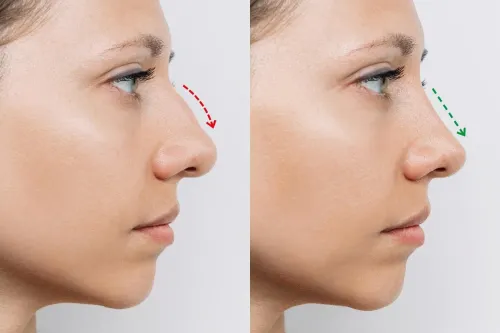
Rhinoplasty changes the external shape and supporting framework of the nose. Septoplasty corrects a deviated internal septum to improve airflow. Septorhinoplasty combines both when obstruction and appearance arise from related structural problems.
| Operation | Main target | When it fits |
|---|---|---|
| Rhinoplasty | External shape, proportions or nasal support | You have defined cosmetic goals, such as changing a hump, tip or crooked appearance, with or without a breathing concern |
| Septoplasty | Internal nasal septum | Examination confirms a deviated septum that matches persistent obstruction |
| Septorhinoplasty | External framework and internal airway | Septal deviation, nasal-valve weakness or collapse, and cosmetic goals require one coordinated plan |
Do not choose surgery from symptoms alone. Persistent one-sided blockage, reduced airflow after injury, or improvement when the cheek is gently pulled outward can prompt assessment for septal or nasal-valve problems, but the Cottle maneuver is not a diagnosis. Nasal examination and endoscopy must identify the structure causing the restriction.
Sneezing, itching and fluctuating congestion point toward allergic rhinitis, not a cosmetic rhinoplasty. Treat allergy first; turbinate surgery becomes a consideration only when obstruction continues and enlarged turbinates contribute. Untreated sinus disease, sleep apnoea, or airway collapse outside the nose also needs separate evaluation.
Surgery is premature when examination finds no correctable structural cause, expectations are vague, or you have not tried appropriate medical treatment. Ask the surgeon to link each proposed change to a symptom, examination finding and specific cosmetic goals before deciding.
What should be checked before you agree to surgery?
Before agreeing to surgery, require an evaluation that identifies why you cannot breathe freely. Nasal obstruction is not proof that a deviated septum is the main cause.
1. Describe when blockage occurs, whether it switches sides, and whether you have sneezing, itching, discharge, facial pressure, reduced smell, snoring or a previous nasal injury. This symptom pattern helps separate allergy, sinus disease and structural narrowing.
2. Ask for an examination of the septum, nasal valve and turbinates. Enlarged turbinates, polyps, mucosal swelling or nasal-valve collapse can obstruct airflow even when the septum is straight. A cheek-pulling Cottle maneuver can suggest valve dysfunction, but it cannot determine the surgical target by itself.
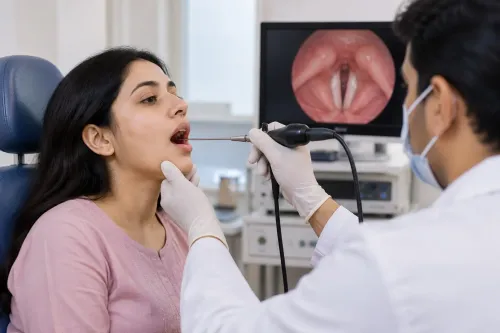
3. Ask whether nasal endoscopy is needed. A thin camera can inspect areas that are not visible at the nostril, including the back of the nasal passage, polyps, discharge and hidden swelling. If allergy is likely, discuss medical treatment before turbinate surgery; congestion, sneezing and itching do not disappear through cosmetic rhinoplasty.
4. Confirm what happens before an operation. Depending on the findings, this could include a steroid nasal spray, antihistamine, saline care, turbinate treatment, sinus treatment or observation. Treating the cause first can avoid an operation that leaves the real problem unchanged.
5. Request sinus CT imaging only when symptoms and examination indicate it, and review photographs, prior nasal surgery and injury history. If sleep apnoea is present, assess the throat and other airway sites separately; nasal surgery is not a stand-alone cure.
How do you compare the proposed operation and the surgeon?
Compare a written diagnosis and treatment plan, not the label “rhinoplasty specialist.” Ask which finding causes your blockage, whether the nasal valve was examined, and how the proposed cosmetic change will affect airflow.
- Ask whether examination includes the septum, turbinates and nasal valve, nasal endoscopy when indicated, and an explanation of what the Cottle manoeuvre can and cannot prove.
- Define separate functional goals, such as easier breathing, and cosmetic goals, such as changing a hump or tip. Ask which goals are achievable together.
- Ask who provides anaesthesia, where the operation takes place, whether overnight observation is available, and who handles urgent bleeding or breathing problems.
- Request the likely complications, follow-up schedule, restrictions, and plan if blockage, asymmetry or dissatisfaction persists.
- Check the surgeon’s medical registration, specialist training, rhinoplasty and nasal-valve experience, operative volume, and experience with revision cases. “Advanced” or “best” is marketing, not evidence.
- Ask to see representative results with comparable skin, deformity and functional problems, while remembering that photographs cannot guarantee your result.
| Technique | Main access | Question to ask |
|---|---|---|
| Open rhinoplasty | Incision across the columella plus internal access | Why is the extra exposure needed, and what scar or swelling should you expect? |
| Closed rhinoplasty | Internal incisions without a columellar incision | Can the surgeon correct your valve, tip or structural problem through this access? |
| Septorhinoplasty | Septum and external framework addressed together | Which part treats breathing, and which part changes appearance? |
At Dr.Phadke’s ENT & Rhinoplasty Clinic-08048038595, use the consultation to ask for these findings and decisions in writing rather than relying on a service title. A sound surgeon selection process links examination, goals, technique, facility and follow-up.
Related services
Best Rhinoplasty Surgeon in Bavdhan, Kothrud,Warje, Pashan, Pune Best Rhinoplasty Surgeon in Pune – Dr Phadke’s ENT & Rhinoplasty Clinic, Bavdhan If you are searching for the best rhinoplasty surgeon in Pune, Dr... View service → |
Best Septoplasty Surgeon in Bavdhan, Kothrud,Pune and PCMC Best Septoplasty Surgeon in Pune and PCMC – Dr Aniruddha Phadke,Advanced Nose Septum Deviation Treatment at Dr Phadke’s ENT & Rhinoplasty Clinic If... View service → |
What can improve, and what can still go wrong?
Airflow can improve when a deviated septum, narrowed nasal valve or enlarged turbinate is corrected, but surgery cannot remove allergy inflammation or cure every cause of obstruction. Breathing after rhinoplasty may remain limited during swelling, and nasal surgery alone is not a reliable cure for obstructive sleep apnoea.
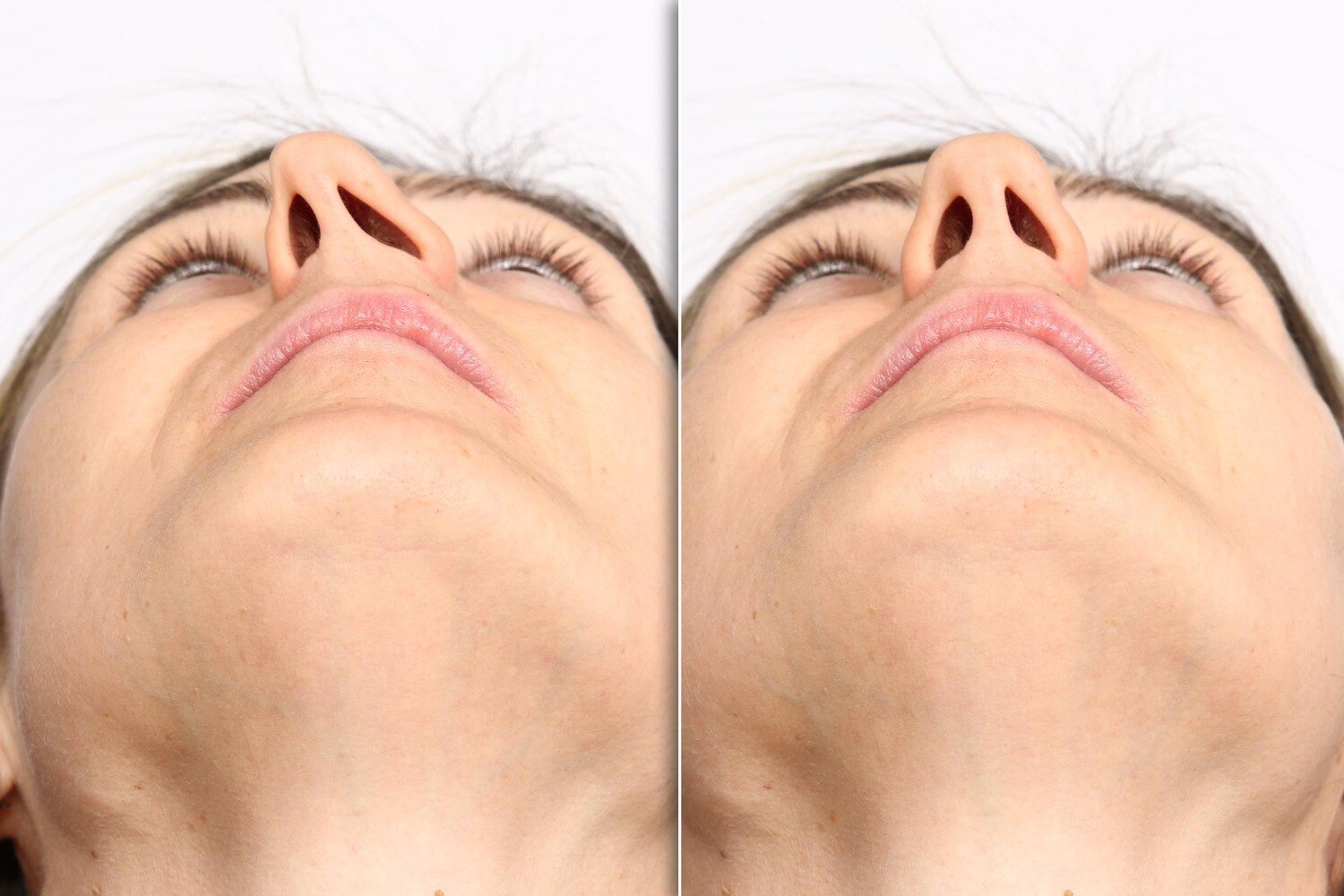
The outside shape can look more balanced, not perfectly symmetrical. Facial asymmetry, thick skin, cartilage memory, scar formation and uneven healing can leave a visible irregularity. Photographs show likely direction, not a guaranteed final appearance.
Smell after nasal surgery can weaken temporarily because swelling, crusting, packing or changed airflow blocks odor molecules. It often returns as healing progresses, but persistent or worsened smell loss remains possible. A substantially changed nasal airway can also alter resonance, so singers, broadcasters and professional speakers should discuss voice effects before surgery.
Healing takes time, and early numbness, congestion and stiffness do not predict the final result. Ask which complications require urgent contact:
- Bleeding that does not settle with the instructed pressure
- Infection requiring treatment
- Persistent blockage despite a technically successful operation
- Asymmetry, contour irregularity or dissatisfaction
- Numbness or tenderness that persists
- External scarring, especially after an open approach
- Septal perforation causing crusting, whistling or bleeding
A poor result does not always mean negligence, but it can lead to revision rhinoplasty. Revision surgery is harder because scar tissue and removed cartilage reduce the available structural support; it also carries another recovery period and further rhinoplasty risks.
When is surgery the wrong next step—or not yet the right time?
Do not schedule rhinoplasty until the cause is clear. Congestion can come from inflammation, sinus disease or poor timing—not a shape needing change.
1. Untreated allergic rhinitis keeps tissue swollen and congested. Treat it first; consider turbinate surgery only when blockage persists despite appropriate medical treatment and enlarged turbinates are confirmed.
2. Diagnose and treat active sinus disease before elective nasal surgery. Persistent facial pain, foul drainage or reduced smell deserves review; CT is useful when examination indicates it.
3. Do not use rhinoplasty as a stand-alone cure for sleep apnoea. Arrange sleep evaluation because throat or tongue collapse can persist, and positive-airway-pressure treatment may still be needed.
4. Smoking and rhinoplasty are a poor combination. Cigarettes, vaping and nicotine impair oxygen delivery and wound healing; disclose every source and meet the surgeon’s abstinence period.
5. If blockage originates in the throat, tongue, lungs or another outside-the-nose airway problem, nasal surgery will not correct it. Seek an airway assessment.
6. Delay elective adolescent rhinoplasty until growth, motivation, expectations and aftercare readiness are appropriate. Earlier surgery can fit major obstruction, trauma, congenital problems or severe psychosocial harm; obtain a specialist second opinion.
7. If you expect perfection or guaranteed breathing, pause. A second opinion can test whether the goal is realistic.
8. Singers, broadcasters and speakers should discuss resonance changes and healing-related blockage before surgery; voice-related work warrants careful planning, not a cosmetic decision.
Frequently asked questions
Which nasal operation matches my actual problem?
Septoplasty addresses a deviated internal septum and airflow obstruction. Rhinoplasty changes the external shape and supporting framework. Septorhinoplasty combines both when functional and cosmetic problems share structural causes.
What should be checked before agreeing to nasal surgery?
Ask for an examination of the septum, nasal valves, turbinates, external framework and skin. Clarify your symptoms, goals, alternatives, recovery, limitations and the operation’s specific risks.
How do I compare the proposed operation and surgeon?
Compare the diagnosis, surgical steps, expected functional and cosmetic changes, recovery requirements, complication plan and revision policy. Confirm that the surgeon regularly performs the operation you need.
What can improve, and what can still go wrong after rhinoplasty?
Surgery can improve nasal airflow, shape, symmetry or proportions when the plan matches the problem. Persistent blockage, asymmetry, dissatisfaction, bleeding, infection, altered sensation or revision surgery remain possible.
When is nasal surgery the wrong next step or not yet the right time?
Delay surgery when symptoms have not been properly diagnosed, expectations are unrealistic, medical issues are uncontrolled, recovery timing is unsuitable or non-surgical treatment has not been tried when appropriate.