


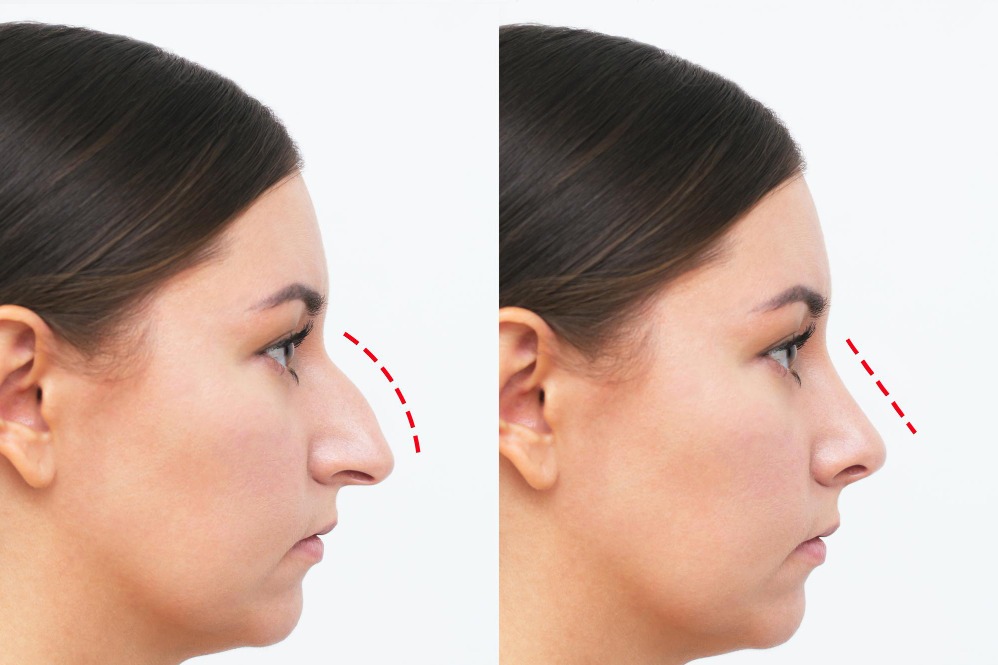
The nose plays an important role in both facial appearance and breathing. While many people associate rhinoplasty with cosmetic enhancement, the procedure is also performed to improve nasal function in individuals who experience breathing difficulties due to structural concerns. Understanding how Rhinoplasty Surgery works can help patients make informed decisions and set realistic expectations before considering treatment.
Rhinoplasty is a surgical procedure that reshapes the nose by modifying bone, cartilage, or both. Depending on individual needs, the surgery may be performed to improve appearance, correct birth-related variations, restore the nose after an injury, or enhance airflow through the nasal passages. Since every nose has a unique structure, treatment planning is always personalized.
Patients commonly consider rhinoplasty for reasons such as:
- Difficulty breathing through the nose
- A crooked or asymmetrical nose
- A prominent nasal hump
- A broad or bulbous nasal tip
- A nose that appears disproportionate to other facial features
- Changes in nasal shape following trauma or injury
- Congenital nasal deformities
Before recommending surgery, an ENT specialist carefully evaluates the patient's concerns, medical history, nasal anatomy, and breathing function. The consultation usually includes an examination of both the external appearance and the internal nasal structures to determine whether functional issues are also contributing to symptoms.
For many patients, imaging and clinical photographs may be used to assist surgical planning. During this stage, discussing expectations openly is important. Rhinoplasty can improve facial balance and nasal function, but no procedure can guarantee a specific appearance or perfectly symmetrical outcome.
There are generally two approaches to rhinoplasty:
Open Rhinoplasty
A small incision is made across the tissue between the nostrils, allowing the surgeon greater visibility of the nasal framework. This approach is often preferred for more complex procedures.
Closed Rhinoplasty
All incisions are placed inside the nostrils, leaving no visible external scar. This method may be suitable for selected cases depending on the required corrections.
The choice of technique depends on the patient's anatomy, treatment goals, and surgical complexity rather than personal preference alone.
Recovery after rhinoplasty varies from one individual to another. Mild swelling, bruising around the eyes, nasal congestion, and temporary discomfort are common during the initial recovery period. These symptoms gradually improve over the following weeks.
Patients are often advised to:
- Sleep with the head elevated during the first few days.
- Avoid strenuous physical activities until cleared by the surgeon.
- Protect the nose from accidental injury.
- Follow medication instructions carefully.
- Attend scheduled follow-up appointments.
- Avoid wearing heavy glasses directly on the nose if advised.
One of the most common questions patients ask is how long it takes to see the final result. Although much of the swelling reduces within several weeks, subtle refinement continues over several months as the tissues heal. Patience is therefore an important part of the recovery process.
Functional improvement is another important aspect of rhinoplasty. Individuals who experience nasal obstruction due to structural abnormalities may notice easier breathing after healing, provided the procedure has addressed the underlying cause.
People considering surgery should also understand that rhinoplasty is not suitable for everyone. Candidates are generally assessed for overall health, nasal growth completion, realistic expectations, and any medical conditions that may influence healing.
Living in a busy city like Pune often means balancing professional commitments with healthcare planning. Understanding the expected recovery timeline helps patients schedule surgery at a convenient time while allowing sufficient rest during the initial healing phase.
For those exploring Rhinoplasty Surgery in Pune, Dr. Phadke's ENT and Rhinoplasty Clinic provides comprehensive evaluation for both functional and aesthetic nasal concerns. Patients can also learn more about treatment approaches and consultation services through draniruddhaphadke.com before deciding on the next step.