


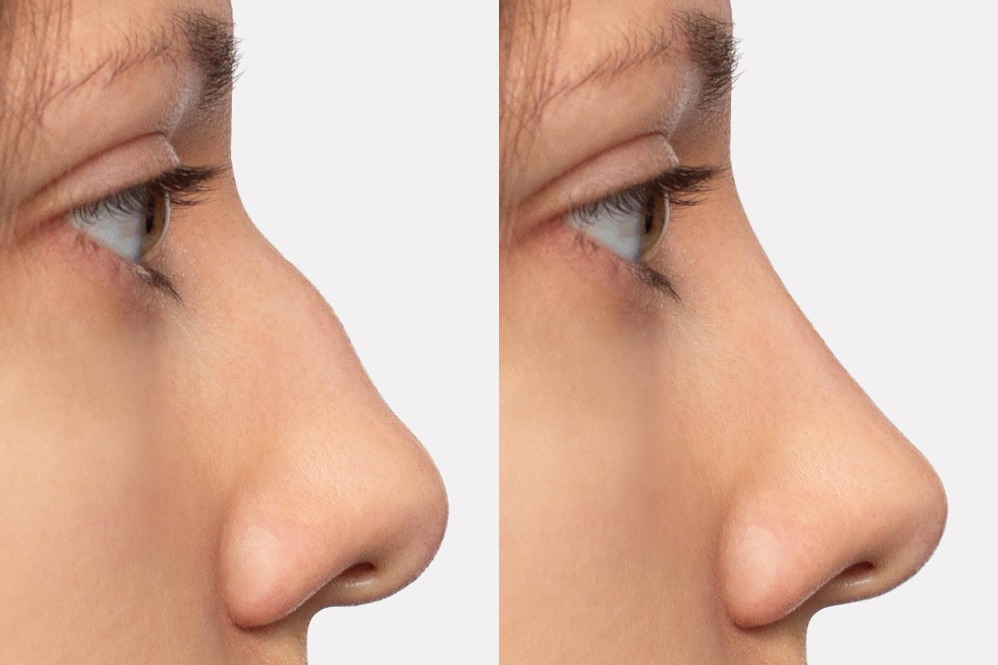
Choosing to undergo Nose Job Surgery is a personal decision that involves more than appearance alone. Some individuals seek surgery to improve facial harmony, while others require correction of structural issues that affect breathing or result from previous injuries. Understanding the reasons for surgery, the evaluation process, and realistic expectations can help patients make informed choices.
A nose job, medically known as rhinoplasty, is designed to reshape the nose while preserving or improving its function. Because the nose is located at the center of the face, even small changes can influence overall facial balance. At the same time, maintaining healthy nasal airflow remains an important priority during treatment planning.
People consider nose surgery for various reasons, including:
- A noticeable hump on the bridge of the nose
- A wide or asymmetrical nose
- A drooping or enlarged nasal tip
- Breathing difficulties caused by structural abnormalities
- Nasal deformities following injury
- Congenital differences in nasal shape
- Dissatisfaction with previous nasal surgery requiring revision
One of the most important parts of the process is the initial consultation. Rather than focusing only on appearance, the specialist evaluates nasal anatomy, skin quality, facial proportions, breathing function, and overall health. This detailed assessment helps determine whether surgery is appropriate and what outcomes may realistically be achieved.
Patients should also understand that photographs or celebrity images may not accurately represent achievable results. Every individual's facial features, bone structure, cartilage, and skin thickness are different. Surgical planning therefore focuses on creating balanced, natural-looking improvements that suit the patient's unique facial characteristics.
Before deciding on surgery, patients may find it helpful to ask questions such as:
- What specific concerns can surgery address?
- Will the procedure also improve breathing?
- What is the expected recovery timeline?
- What are the potential risks and limitations?
- How many follow-up visits will be required?
Preparing for surgery often includes reviewing current medications, discussing medical history, avoiding smoking where applicable, and following preoperative instructions provided by the healthcare team. Careful preparation contributes to smoother recovery and better healing.
Recovery generally involves temporary swelling, bruising, and nasal congestion. Most patients gradually return to routine activities, although strenuous exercise and contact sports are usually postponed until healing has progressed. Regular follow-up visits allow the surgeon to monitor recovery and address any concerns.
It is also important to understand that emotional expectations play a role in patient satisfaction. Rhinoplasty can enhance facial balance, but it should not be viewed as a solution for unrelated personal or social challenges. Open communication with the treating specialist helps establish realistic goals before surgery.
Residents of Pune increasingly seek procedures that combine functional improvement with natural aesthetic enhancement. Choosing a qualified ENT surgeon experienced in nasal anatomy supports careful planning and individualized treatment.
For individuals considering Nose Job Surgery in Pune, Dr. Phadke's ENT and Rhinoplasty Clinic offers comprehensive assessment of both cosmetic and functional nasal concerns. Additional information available on draniruddhaphadke.com helps patients understand the evaluation process and what to expect throughout their treatment journey.